Maritime Force Measurement
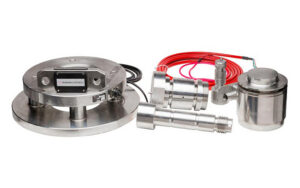
Load Pins provide a practical way to measure force in marine equipment where accurate load monitoring is important for safety, control, and operational efficiency. Because Load Pins can be designed to replace existing pins in mechanical assemblies, they can be integrated into a wide range of marine systems without requiring major changes to the equipment.
Marine applications often involve high loads, harsh environments, and equipment that must operate reliably under demanding conditions. Custom Load Pins and other Force Sensors can provide continuous measurement of tension, weight, or applied force while fitting directly into the mechanical connection being monitored.
Release Hook Monitoring on Loading Docks
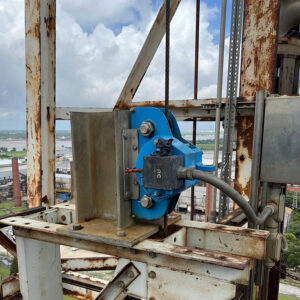
One prominent example of Load Pin use in marine applications is release hook monitoring on loading docks and terminals. Release hooks secure vessels to the dock and can experience significant forces as a vessel moves with changes in tide, wind, currents, or loading conditions. A Load Pin integrated into the release hook assembly can measure the force being applied to the hook, providing operators with valuable information about mooring loads.
When combined with Release Hook Monitoring Software, Load Pin measurements can be collected and monitored in real time. This can help operators identify changing load conditions and maintain a better understanding of the forces acting on the vessel and mooring system.
Other Marine Load Measurement Applications
Load Pins can also be used throughout marine lifting, towing, and mooring equipment. For example, a custom Load Pin can replace a conventional pin in a crane, davit, or lifting assembly to measure the load being supported. This provides a way to monitor lifting forces without adding a separate load-measuring component to the system.
Another application is towing equipment, where Load Pins can measure tension through shackles, links, or other mechanical connections. Monitoring line tension can be valuable for tugboats, shipyards, offshore operations, and other applications where maintaining controlled loads is important.
Load Pins can also complement other marine load monitoring technologies. Depending on the application, measurements from multiple Load Pins, Smart Shackles, Running Line Tensiometers, or other Force Sensors can be integrated into a larger monitoring system to provide a more complete picture of equipment loads.
Custom Load Pins for Marine Equipment
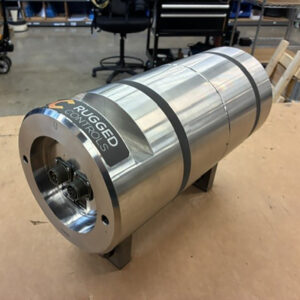
Marine equipment rarely has a one-size-fits-all configuration. Load Pin dimensions, capacity, material, mounting arrangement, and environmental requirements may all need to be considered when integrating a force sensor into existing equipment. Custom Load Pins can be designed around the mechanical assembly while providing the measurement capacity and accuracy required for the application. Visit the custom load pin design tool from Rugged Controls to learn more.
In Summary
From loading docks and mooring systems to marine cranes and towing equipment, Load Pins provide a flexible solution for measuring force directly where it occurs. When integrated with the appropriate monitoring hardware and software, they can help marine operators improve visibility into equipment loads and make better-informed decisions in demanding operating environments.